အဖြစ်အပျက်/ဘဝဇာတ်ကြောင်း
၂၀၂၄ ခုနှစ် ဧပြီလ ၀၅ ရက်။
စွန့်ပစ်ခံ အိပ်မက်များ
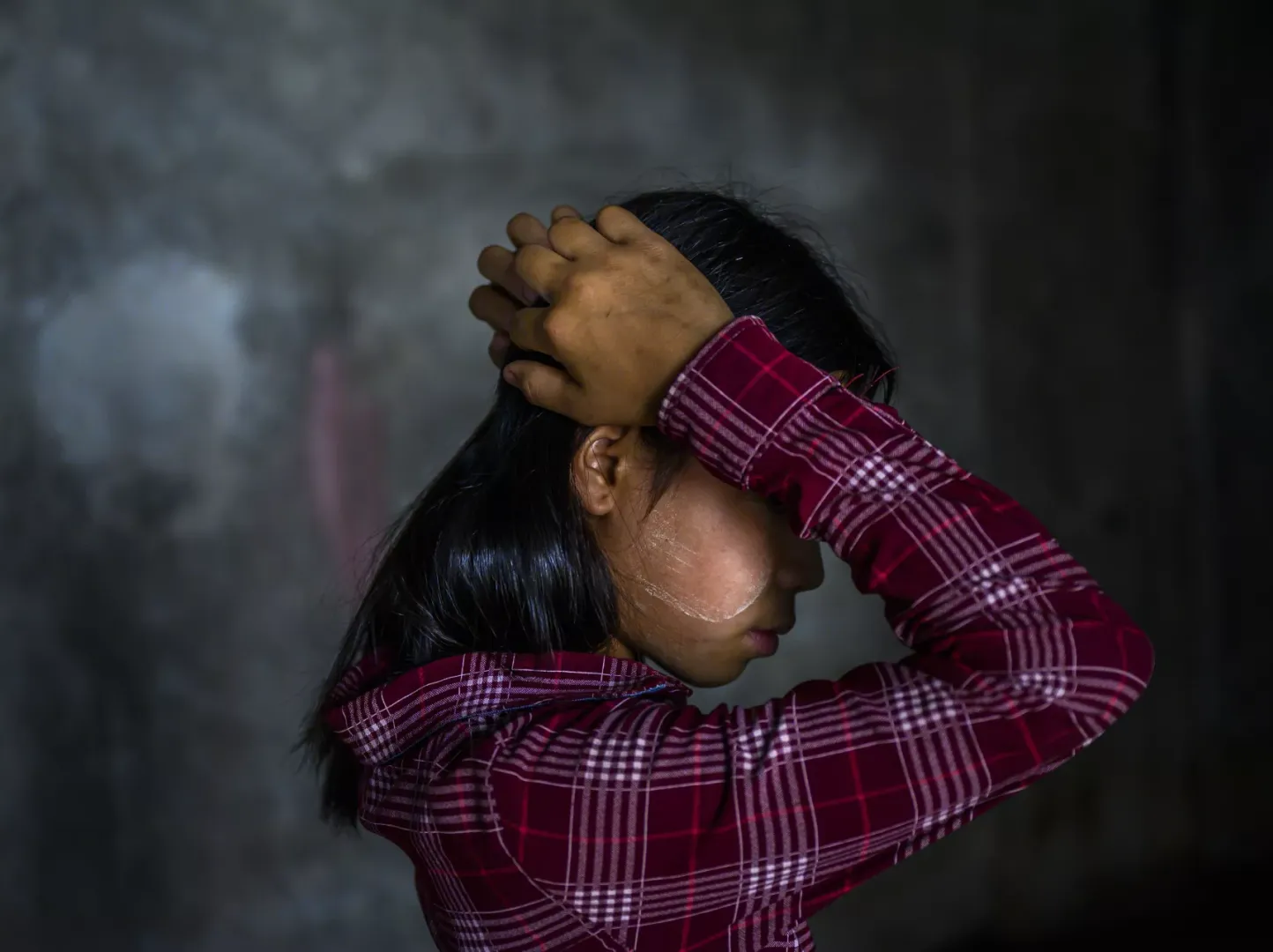
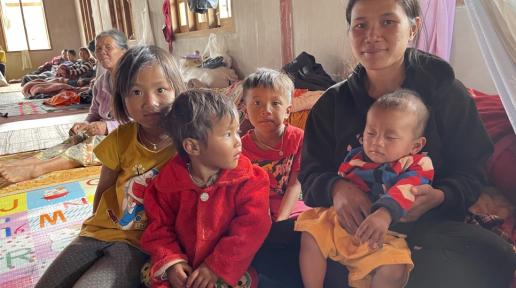
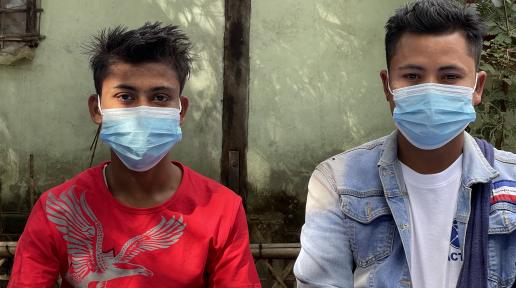
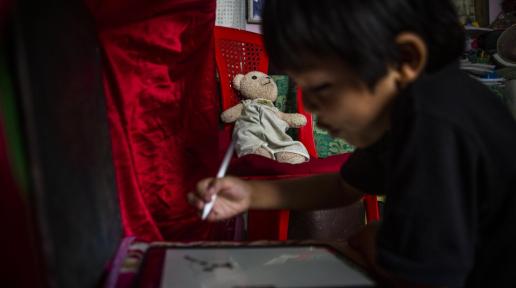
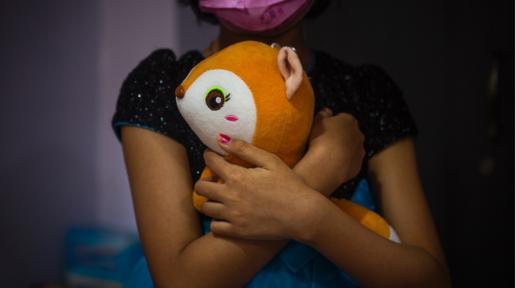
"စက္ကန့်ပိုင်းအတွင်းမှာပဲ ကျွန်မရဲ့ ကမ္ဘာကြီးဟာ ဒီမြေမြှုပ်မိုင်းနဲ့အတူ အစိတ်စိတ်အမြွှာမြွှာပြိုလဲသွားခဲ့ရတယ်။ ကျွန်မရဲ့မောင်လေး၊ ကျွန်မရဲ့အိပ်မက်တွေနဲ့ အရာအားလုံးပါပဲ "လို့ နော်နီကသူ့မောင်လေး မြေမြှုပ်မိုင်းနင်းမိတဲ့နေ့က ချောက်ချားဝမ်းနည်းစရာ အဖြစ်အပျက်ကို ဝမ်းနည်းတုန်ရီနေတဲ့ အသံနဲ့ ပြန်ပြောပြခဲ့ပါတယ်။ အသက် ၁၃ နှစ်သာရှိသေးတဲ့ နော်နီဟာ သူ့ခန္ဓာကိုယ်ထဲ စူးနစ်ဝင်ခဲ့တဲ့ ဗုံးဆန်အစအနတွေကြောင့် နာကျင်မှုဒုက္ခတွေနဲ့အတူ ဆို့နင့်ဖွယ်ရာ ဝမ်းနည်းမှုတွေကို ရင်ဆိုင်ရင်း သမားတော်ဖြစ်ဖို့ မျှော်လင့်ချက်တွေလည်း မှေးမှိန်သွားခဲ့ရပါပြီ။သုံးနှစ်ကြာရှိလာပြီဖြစ်တဲ့ မြန်မာနိုင်ငံက အရှိန်မြင့်နေဆဲ ပဋိပက္ခတွေကြောင့် ကလေးငယ်တွေဟာ ကျန်းမာရေး၊ ပညာရေးအပါအဝင် အကြမ်းဖက်မှု၊ အစုလိုက် နေရပ်စွန့်ခွာတိမ်းရှောင်မှုတွေအပြင် အရေးကြီးလှတဲ့ အခြေခံလိုအပ်ချက်တွေ ဆိုးဆိုးရွားရွား ပြတ်တောက်မှုတွေကြောင့် အကြီးအကျယ် ထိခိုက်နစ်နာနေကြရပါတယ်။ပဋိပက္ခတွေ ပိုမိုပြင်းထန်လာတာနဲ့အမျှ ပဋိပက္ခမှာ ပါဝင်နေတဲ့ အဖွဲ့အစည်းအားလုံးက သေစေနိုင်တဲ့ လက်နက်တွေ အထူးသဖြင့် မြေမြှုပ်မိုင်းတွေ ပိုမိုအသုံးပြုလာကြတဲ့အတွက် ကလေးသူငယ်တွေ အသက်ဆုံးရှုံးခြင်းနဲ့ ကိုယ်လက်အင်္ဂါဆုံးရှုံးခြင်းဆိုတဲ့ စိတ်ထိခိုက်ဖွယ် အဖြစ်မှန်တစ်ခုဟာ မြန်မာနိုင်ငံတစ်ဝှမ်းရှိ မိသားစုများစွာရဲ့ တံခါးပေါက်ဝအထိ ရောက်ရှိလာနေပြီဖြစ်ပါတယ်။"ကျွန်တော်တို့က အဆက်မပြတ် ပစ်ခတ်သံတွေကို ကြားနေကျဖြစ်ပြီးသားပါ၊ နှစ်ဖက်ပစ်ခတ်မှုတွေကနေ လွတ်အောင် ကျွန်တော်တို့အိမ်တွေထဲ ဝင်ပြေးရမယ်ဆိုတာ ကျွန်တော်တို့သိပါတယ်၊ ဒါပေမဲ့ ကျွန်တော်တို့နားတည့်တည့်မှာ မိုင်းပေါက်ကွဲမှုတွေဖြစ်တာကျတော့ ဘယ်မှာမှလုံခြုံတဲ့နေရာမရှိတော့ဘူးလို့ ကျွန်တော်တို့ ခံစားရပါတယ်" လို့ ပဋိပက္ခဒဏ်တွေကနေ မိသားစုနဲ့ ရပ်ရွာကို ကာကွယ်ဖို့အတွက် စစ်ဗိုလ်တစ်ယောက်ဖြစ်ဖို့ ကလေးဘဝ အိပ်မက်မက်ခဲ့သူ အသက် ၁၄ နှစ်သားလေး ပိုင်က ပြောပြခဲ့ပါတယ်။ဒါပေမဲ့ နော်နီလိုပဲ ပိုင်ကလည်း သူ့တို့အိမ်အနီး လယ်ကွက်တစ်ခုထဲက မြေမြှုပ်မိုင်းကို နင်းမိပြီး သူ့ရဲ့ညာဘက်ခြေထောက်နဲ့ လက်ထိခိုက်ပျက်စီးသွားပြီးနောက်မှာတော့ အနာဂတ်ကို မျှော်ကြည့်ဖို့ဆိုတာ ခက်ခဲသွားခဲ့ရပါတယ်။ "ကျွန်တော်က အဖေနဲ့အတူ အိမ်နားကလယ်ထဲမှာ ဒဏ်ရာရထားတဲ့ ကျွန်တော်တို့ နွားကိုရှာဖို့ ထွက်လာခဲ့တယ်။ အဲဒီအချိန်မှာ ရုတ်တရက် ဝုန်းဆိုတဲ့အသံကြီးကြားလိုက်ပြီး ကျွန်တော့်ခန္ဓာကိုယ် မြေပေါ်မြောက်တက်သွားတယ်။ ကျွန်တော်က အစက အနားကို လက်နက်ကြီးကျလာတယ်ထင်လိုက်တာ ဒါပေမဲ့ တကယ်တမ်းက ကျွန်တော်က မိုင်းနင်းမိသွားတာ" လို့ ပိုင်က ပြောပြပါတယ်။သူ့အသက်ကို ကယ်တင်ဖို့အတွက် ညာဘက်ခြေထောက်ကို ဖြတ်ခဲ့ရပါတယ်။ “အခုတော့ ကျွန်တော့်မိဘတွေနဲ့ တစ်နေ့ ကျွန်တော့်ကိုယ်ပိုင်မိသားစုရှိလာတဲ့အခါကျရင် တစ်နည်းနည်းနဲ့ ပံ့ပိုးပေးနိုင်ဖို့ပဲ စိတ်ကူးနိုင်ပါတော့တယ်။ စစ်သားတစ်ယောက်ဖြစ်ဖို့ အိပ်မက်ကတော့ ထာဝရပျောက်ကွယ်သွားပါပြီ။”ပိုင့်လိုပဲ နော်နီကလည်း ၂၀၂၃ ဒီဇင်ဘာမှာ မြေမြှုပ်မိုင်းပေါက်ကွဲမှုကြောင့် သူ့ရဲ့တစ်ဦးတည်းသော မောင်လေးကို ဆုံးရှုံးလိုက်ရပြီးနောက်မှာ သူ့ရဲ့ရပ်ရွာကို လုံခြုံတဲ့ခိုနားရာနေရာတစ်ခုအဖြစ် မမြင်နိုင်တော့ပါဘူး။ "ကျွန်မတို့က ကျောင်းကပြန်လာတဲ့အချိန် ကျွန်မတို့အိမ်အပြင်ဘက်နားလေးမှာ ကျွန်မသူငယ်ချင်းတွေရယ်၊ ကျွန်မမောင်လေးရယ်နဲ့အတူ ကစားနေခဲ့ကြတယ်၊ ကျွန်မမောင်လေးက သံမှိုလို တွဲထားတဲ့ဟာလေးနဲ့ ကျောက်တုံးအရွယ် ပစ္စည်းဝိုင်းဝိုင်းလေးတစ်ခုကို ကောက်လာတာတွေ့လိုက်တယ်" လို့ သူက ပြောပြပါတယ်။ "သူက မျက်တောင်နှစ်ချက်ခတ်စာတောင် မရှိတဲ့အချိန်လေးအတွင်းမှာ ပေါက်ကွဲသွားပြီး ကျွန်မမောင်လေး အသက်ဆုံးရှုံးခဲ့ရသလို ကျွန်မသူငယ်ချင်းနဲ့ ကျွန်မလည်း ဒဏ်ရာတွေရခဲ့တယ်။ ဗုံးဆန်အစအနတွေက ကျွန်မရဲ့ ပါး၊ ခေါင်းနဲ့ ကျောကို စိုက်ဝင်ခဲ့တယ်။"နော်နီကို အနီးဆုံးဆေးရုံသို့ အလျင်အမြန်ပို့ဆောင်ပြီး ဗုံးဆန်အပိုင်းအစတချို့ကို ဖယ်ရှားပေးခဲ့ပေမယ့်လည်း အနည်းဆုံး အပိုင်းအစနှစ်ခုကတော့ သူ့ခန္ဓာကိုယ်ထဲမှာ ကျန်နေပါသေးတယ်။ နော်နီတစ်ယောက် ကံကောင်းထောက်မစွာနဲ့ အသက်ရှင်ခဲ့ရပေမယ့်လည်း အခြေအနေတွေက အရင်ကလို ဘယ်တော့မှ ပြန်မဖြစ်လာနိုင်တော့ပါဘူး။ "အခု ကျွန်မတို့ ကစားတဲ့နေရာကိုကြည့်ရင် မောင်လေးသေသွားတာကိုပဲ သတိရနေမိတယ်။ ဘာကောင်းတဲ့အမှတ်တရတစ်ခုမှ မရှိတော့ဘူး။"ယူနီဆက်ရဲ့ မြေမြှုပ်မိုင်းဖြစ်စဉ်စောင့်ကြည့်လေ့လာမှုအစီရင်ခံစာက ၂၀၂၃ ခုနှစ်မှာ မြေမြှုပ်မိုင်းပေါက်ကွဲမှုကြောင့် အရပ်သားသေဆုံးထိခိုက်ဒဏ်ရာရမှု စုစုပေါင်း ၁၀၅၂ ဦး ရှိကြောင်းနဲ့ ၂၀၂၂ ခုနှစ်မှာမှတ်တမ်းတင်ခဲ့တဲ့ ဦးရေ ၃၉၀ ရဲ့ ၂၇၀ ရာခိုင်နှုန်းဖြစ်ကြောင်း ဖော်ပြထားပါတယ်။ ၂၀၂၃ ခုနှစ် အောက်တိုဘာလကနေ ဒီဇင်ဘာလအတွင်းမှာတင် မြေမြှုပ်မိုင်းကြောင့် ထိခိုက်သေဆုံးခဲ့သူ အရပ်သား ၁, ၀၅၂ ဦးရဲ့ထက်ဝက်နီးပါးဟာ သေဆုံးဒဏ်ရာရခဲ့ပြီး ပဋိပက္ခတွေ ပိုမိုဆိုးရွားလာပြီး သေစေနိုင်တဲ့လက်နက်တွေအသုံးပြုမှု သိသိသာသာ မြင့်တက်လာကြောင်း ပြသနေပါတယ်။ အခုအချိန်မှာ နိုင်ငံရဲ့ ပြည်နယ်နဲ့ တိုင်းဒေသကြီးအားလုံးနီးပါးမှာ မြေမြှုပ်မိုင်းအန္တရာယ်တွေ ဖြစ်ပေါ်နေကြောင်း ကြားသိရပြီး မြေမြှုပ်မိုင်းကြောင့် ထိခိုက်သေဆုံးမှုအားလုံးရဲ့ ၂၀ ရာခိုင်နှုန်းကျော်ဟာ ကလေးငယ်တွေဖြစ်နေတဲ့အတွက် အထူးစိုးရိမ်ဖွယ်ရာ အခြေအနေတခု ဖြစ်လာနေပါတယ်။ သူတို့လှမ်းလိုက်တဲ့ ခြေလှမ်းတိုင်းဟာ သူတို့ရဲ့ နောက်ဆုံးခြေလှမ်းတွေ ဖြစ်သွားနိုင်ပါတယ်။မြေမြှုပ်မိုင်းကြောင့် ထိခိုက်သေဆုံးမှုမှာ စစ်ကိုင်းတိုင်းဒေသကြီး (၃၅ ရာခိုင်နှုန်း) နဲ့ ရှမ်းပြည်နယ် (၁၂ ရာခိုင်နှုန်း)ပြီးရင် တတိယအများဆုံးအဆင့်ဖြစ်တဲ့ ပဲခူးတိုင်းမှာ နေ့စဥ်ရှင်သန်ဖို့အတွက် အန္တရာယ်ရှိလာပြီဖြစ်ပြီး လယ်မြေတွေမှာလည်း မြေမြှုပ်မိုင်းတွေများစွာ အသုံးပြုထားကြပါတယ်။မွေးဖွားစဉ်က မိခင်ကို ဆုံးရှုံးခဲ့ရသလို ဖခင်ဖြစ်သူက နိုင်ငံခြားကို ပြောင်းရွှေ့ထွက်ခွာသွားခဲ့တဲ့ အသက် ၁၅ နှစ်အရွယ် အောင်က အသက်မွေးဝမ်းကျောင်းနဲ့ ပညာရေးအတွက် မိသားစုပိုင်လယ်ထဲမှာ အစ်ကိုကြီးနဲ့အတူ အလုပ်လုပ်ခဲ့ကြပါတယ်။ ဒါပေမဲ့ ၂၀၂၃ ခုနှစ် ဒီဇင်ဘာ ၂၀ ရက်နေ့လယ်ပိုင်းမှာတော့ သူ့ဘဝဟာ ဇောက်ထိုးမိုးမျှော်ဖြစ်သွားခဲ့ရပါတယ်။"ကျွန်တော်က ကျောင်းဆင်းပြီး ကျွန်တော်တို့လယ်ထဲမှာ အလုပ်လုပ်နေတဲ့အချိန် မြေမြှုပ်မိုင်းနင်းမိသွားတယ်။ နားထဲမှာ ဝုန်းဆိုတဲ့အသံကျယ်ကြီး ကြားလိုက်ပြီး ကျွန်တော် သတိလစ်သွားခဲ့တယ်။"ဆေးရုံမှာ ပြန်သတိရလာတဲ့ အောင်က ဆရာဝန်တွေ သူနာပြုတွေက သူ့ကို ခွဲစိတ်ပေးနေတာကို မြင်ခဲ့တာကို ပြန်ပြောပြခဲ့ပါတယ်။ "ကျွန်တော့်ရဲ့ ဘယ်ဘက်ခြေထောက်ကို ဒူးအောက်ကနေ ဖြတ်လိုက်ရတယ်၊ ကျွန်တော့်ဘယ်ဘက်လက်လည်း ဒဏ်ရာရခဲ့တယ်။"အောင့်အတွက် အနာဂတ်ကို ရင်မဆိုင်ရဲတော့သလို ခံစားနေရပါတယ်။ "ကျွန်တော် ရှေ့ဆက်ဖို့ထောက်ပံ့ပေးမယ့် ခြေထောက်တွေမရှိတော့ဘူးဆိုတော့ အခု ကျွန်တော့်မိသားစု အခက်အခဲတွေကို ကျော်လွှားဖို့ဆိုတဲ့ ကျွန်တော့်အိပ်မက်တွေဟာ ပြိုလဲလုနီးပါးဖြစ်သွားပါပြီ" လို့ သူက ပြောပါတယ်။ ပိုင်ရဲ့ မိခင်ဖြစ်သူ ဒေါ်အိမ့်က "ကျွန်မတို့ကလေးတွေ ကျောင်းသွားတာဖြစ်ဖြစ်၊ လယ်ထဲသွားတာဖြစ်ဖြစ်၊ သွားကစားတာဖြစ်ဖြစ် အိမ်ကနေ ထွက်သွားတဲ့အခါတိုင်း စိုးရိမ်ရတဲ့စိတ်က ကျွန်မတို့နှလုံးသားကို ဆွဲညှစ်ထားတဲ့အတိုင်းပဲ။ သူတို့ အန္တရာယ်ကင်းကင်းမှ ပြန်လာပါ့မလားလို့ အမြဲတွေးပူနေရတယ်၊ မိုင်းအန္တရာယ်ကို စိုးရိမ်တဲ့စိတ်ဟာ ကျွန်မကိုနေ့စဥ်နှိပ်စက်နေပါတယ်။”၂၀၂၃ ခုနှစ်မှာ ယူနီဆက်ဖ်က မြန်မာနိုင်ငံတစ်ဝှမ်းရှိ ကလေးသူငယ်များအပါအဝင် လူပေါင်း ၁၄၀, ၀၀၀ နီးပါးကို အသက်ရှင်ကျန်ရစ်သူအကူအညီအပါအဝင် မိုင်းအန္တရာယ်ကာကွယ်ရေးနဲ့ တုံ့ပြန်ရေးဝန်ဆောင်မှုတွေ ပံ့ပိုးပေးနိုင်ခဲ့ပါတယ်။ ပဋိပက္ခဖြစ်ပွားရာ ဒေသတခွင်မှာ ဒေသတွင်းဘာသာစကားတွေနဲ့ ဆီလျော်အောင်ပြင်ဆင်ထားတဲ့ လက်ကမ်းစာစောင်တွေ၊ လက်စွဲစာအုပ်တွေနဲ့အတူ မိုင်းအန္တရာယ်ပညာရေးဆွေးနွေးပွဲတွေကို တိုးချဲ့လုပ်ဆောင်လျက်ရှိပါတယ်။မြန်မာနိုင်ငံမှာ မြေမြှုပ်မိုင်းအသုံးပြုမှု မြင့်တက်လာခြင်းဟာ ကလေးငယ်တွေရဲ့ ဘေးကင်းလုံခြုံရေးနဲ့သာယာဝပြောရေးအတွက် စိုးရိမ်စရာ ခြိမ်းခြောက်မှုတစ်ခု ဖြစ်လာနေပါတယ်။ ပေါက်ကွဲမှုတစ်ခုစီတိုင်းဟာ အသက်တွေကို နုတ်ယူရုံမက အိပ်မက်တွေကိုလည်း တစ်စစီဖြစ်စေပြီး ကလေးဘဝတွေရဲ့ အပြစ်ကင်းစင်မှုတွေကိုပါ လုယူပျက်စီးစေပါတယ်။ ပဋိပက္ခမှာ ပါဝင်ပတ်သက်သူအားလုံးအပါအဝင် သက်ဆိုင်သူအားလုံးဟာ ကလေးသူငယ်တွေကို မြေမြှုပ်မိုင်းတွေရဲ့ ဆိုးရွားတဲ့ထိခိုက်မှုတွေကနေ ဘေးကင်းလုံခြုံစေဖို့နဲ့ ကာကွယ်ပေးနိုင်ဖို့ မဖြစ်မနေလုပ်ဆောင်ဖို့ လိုအပ်ပါတယ်။**ဤဆောင်းပါးကို UNICEF Myanmar ဝက်ဘ်ဆိုက်ဒ် တွင် ၂၀၂၄ ခုနှစ် ဧပြီလ ၄ ရက်နေ့တွင် မူရင်းရေးသားထုတ်ဝေထားပါသည်။