အဖြစ်အပျက်/ဘဝဇာတ်ကြောင်း
၂၀၂၆ ခုနှစ် အောက်တိုဘာလ ၁၅ ရက်။
ဘေးကင်းလုံခြုံတဲ့ အိမ်တစ်လုံးဟာ ကြံ့ကြံ့ခံရင်ဆိုင်နိုင်စွမ်း စတင်ရာနေရာ ဖြစ်ပါတယ်။
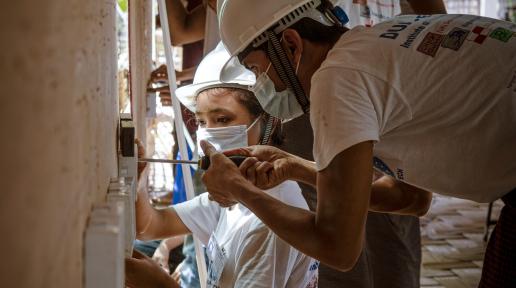
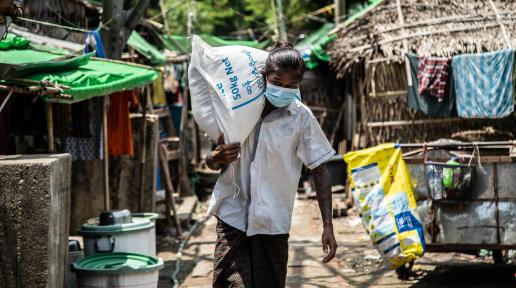
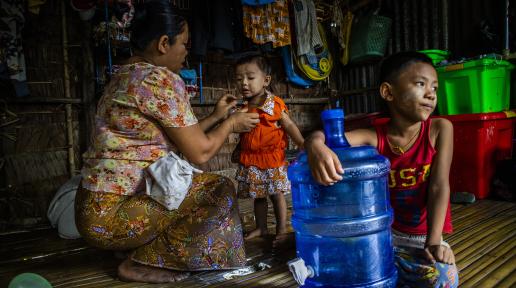
ငလျင်ဒဏ်ကြောင့် ပျက်စီးသွားသော နေအိမ်များကို ပြန်လည်တည်ဆောက်ပေးခြင်းမှသည် အများပြည်သူဆိုင်ရာ ဝန်ဆောင်မှုများကို ပြန်လည်ကောင်းမွန်အောင် ဆောင်ရွက်ပေးခြင်းအထိ၊ မြန်မာနိုင်ငံရှိ ဒေသခံလူထုသည် သဘာဝဘေးအန္တရာယ်များကို ကြံ့ကြံ့ခံရင်ဆိုင်နိုင်စွမ်းရှိစေရန် လက်တွေ့ကျသော စံပြစီမံကိန်းတစ်ရပ်ကို ဖော်ဆောင်လျက်ရှိကြပါသည်။ဘေးအန္တရာယ်သင့် မိသားစုများအတွက် နေအိမ်တစ်လုံးဆိုသည်မှာ ရုပ်ပိုင်းဆိုင်ရာ အဆောက်အအုံတစ်ခုထက်မက ပိုမိုနက်ရှိုင်းပါသည်။ နေအိမ်သည် တစ်ဦးကိုတစ်ဦး ဂရုစိုက်စောင့်ရှောက်ကြပြီး နေ့စဉ်လူမှုဘဝကို လည်ပတ်စေသည့် ပိုင်ဆိုင်မှုပစ္စည်းများကို ထိန်းသိမ်းရာ နေရာတစ်ခုလည်း ဖြစ်ပါသည်။ နေအိမ်ပျက်စီးဆုံးရှုံးရသည့်အခါ ၎င်း၏သက်ရောက်မှုများသည် အိမ်နံရံများ၏ အပြင်ဘက်အထိ ကျယ်ပြန့်စွာ သက်ရောက်လေ့ရှိပါသည်။ လုံခြုံမှု၊ ကိုယ်ရေးကိုယ်တာလွတ်လပ်မှု၊ နေ့စဉ်ဘဝတည်ငြိမ်မှုနှင့် စိတ်အေးချမ်းသာမှုတို့သည် ချက်ချင်းဆိုသလို ထိခိုက်ပျက်ပြားသွားရပါသည်။မြန်မာနိုင်ငံတွင် ပြီးခဲ့သည့်နှစ်က ငလျင်ဒဏ်သင့်ခဲ့သည့် လူထုသည် ၎င်းတို့ဘဝ၏ ထိုအုတ်မြစ်များကို ပြန်လည်တည်ဆောက်လျက်ရှိကြသည်။ ကုလသမဂ္ဂဖွံ့ဖြိုးမှုအစီအစဉ် (UNDP) ၏ ကူညီပံ့ပိုးမှုဖြင့် မိသားစုများသည် ၎င်းတို့၏နေအိမ်များကို ပြန်လည်ပြင်ဆင် တည်ဆောက်လျက်ရှိပြီး၊ ယင်းက ဘေးအန္တရာယ်၏ လတ်တလောရိုက်ခတ်မှုများမှ လွန်မြောက်၍ ပိုမိုကောင်းမွန်သော တည်ငြိမ်မှုဆီသို့ လျှောက်လှမ်းနိုင်ရန် ကူညီပေးလျက်ရှိသည်။ အရေးကြီးဆုံးမှာ ၎င်းတို့သည် သဘာဝဘေးအန္တရာယ်များကို ပိုမိုကြံ့ကြံ့ခံရင်ဆိုင်နိုင်စွမ်းရှိစေရန် ရည်ရွယ်၍ ပြန်လည်တည်ဆောက်နေခြင်း ဖြစ်ပါသည်။ယနေ့အထိ UNDP ၏ တိုက်ရိုက်အိမ်ရာပြန်လည်တည်ဆောက်ရေး ကူညီပံ့ပိုးမှုသည် အိမ်ထောင်စုပေါင်း ၈,၄၀၀ ကျော်ထံသို့ ရောက်ရှိခဲ့ပြီးဖြစ်ရာ အမျိုးသမီးနှင့် မိန်းကလေးငယ် ၁၇,၀၀၀ ကျော်အပါအဝင် လူဦးရေ ၃၃,၀၀၀ ကျော်အတွက် ပိုမိုဘေးကင်းသော လူနေမှုဘဝအခြေအနေများကို အာမခံချက်ပေးနိုင်ခဲ့ပါသည်။ဤပံ့ပိုးကူညီမှုတွင် ငွေကြေးထောက်ပံ့မှုနှင့်အတူ ကွန်ကရစ်၊ သစ်နှင့် သွပ်ပြားများအပါအဝင် ရေရှည်ခိုင်ခံ့သော ဆောက်လုပ်ရေးပစ္စည်းများကို ပေါင်းစပ်ပံ့ပိုးပေးခဲ့သည့်အပြင်၊ စိတ်ချရသော လျှပ်စစ်မီးမရရှိသေးသည့် နေအိမ်များအတွက် ဆိုလာစွမ်းအင်သုံး အိမ်သုံးမီးလင်းစနစ်များကိုပါ ပံ့ပိုးပေးခဲ့သည်။ UNDP ၏ အင်ဂျင်နီယာများနှင့် လူထုစည်းရုံးရေးမှူးများသည် အိမ်ရာဆောက်လုပ်ရေး လုပ်ငန်းစဉ် အစမှ အဆုံးအထိ မိသားစုများနှင့်အတူ နီးကပ်စွာ ပူးပေါင်းဆောင်ရွက်ခဲ့ပြီး၊ ဘေးအန္တရာယ်ဒဏ် ခံနိုင်ရည်ရှိသော ဒီဇိုင်းပုံစံများကို ထည့်သွင်းတည်ဆောက်နိုင်မည့် နည်းလမ်းများအတွက် အကြံဉာဏ်များနှင့် သင်တန်းများကို ပေးအပ်ခဲ့သည်။ ဤချဉ်းကပ်ပုံနည်းလမ်းသည် မိသားစုများအနေဖြင့် မိမိတို့အိမ်ထောင်စု၏ သီးခြားအခြေအနေများအပေါ် မူတည်ကာ ကိုယ်တိုင်ပြင်ဆင်မှုများ ပြုလုပ်နိုင်ရန် လက်တွေ့ကျသော အရင်းအမြစ်များကို ရရှိစေသည့်အပြင် ဘေးကင်းလုံခြုံရေးဆိုင်ရာ ဆုံးဖြတ်ချက်များကို မှန်ကန်စွာ ချမှတ်နိုင်ရန်လည်း အထောက်အကူပြုစေပါသည်။ဤအဆောက်အအုံများ၏ အမှန်တကယ် သက်ရောက်မှုကို ၎င်းတို့ပြန်လည်ရရှိစေခဲ့သည့် စိတ်အေးချမ်းသာမှုဖြင့် အကောင်းဆုံး တိုင်းတာနိုင်ပါသည်။ စစ်တမ်းကောက်ယူခဲ့သူများအနက် ၉၅ ရာခိုင်နှုန်းက ၎င်းတို့၏ မိသားစုများနှင့် နေ့စဉ်သုံးပစ္စည်းများသည် ရာသီဥတုဒဏ်မှ နောက်ဆုံးတွင် ဘေးကင်းလုံခြုံသွားပြီဟု ခံစားရကြောင်း ဖော်ပြခဲ့ကြသည်။ အမျိုးသမီးများနှင့် မိန်းကလေးငယ်များအတွက်မူ လုံခြုံသောအိမ်ရာတစ်ခု၏ အကျိုးကျေးဇူးများသည် အလွန်ပင် ထိတွေ့ခံစားရစေပါသည်။ စစ်တမ်းကောက်ယူခဲ့သည့် အိမ်ထောင်စုများအနက် ၉၂ ရာခိုင်နှုန်းက ပြန်လည်တည်ဆောက်ထားသော ဒီဇိုင်းပုံစံများသည် အမျိုးသမီးများနှင့် မိန်းကလေးငယ်များအတွက် ၎င်းတို့၏ကိုယ်ပိုင်အိမ်အတွင်း၌ ဘေးကင်းလုံခြုံပြီး သီးသန့်ဖြစ်သော နေရာများကို ရရှိစေကာ မရှိမဖြစ်လိုအပ်သည့် ကိုယ်ရေးကိုယ်တာလွတ်လပ်မှုနှင့် လူ့သိက္ခာတို့ကို အပြည့်အဝရရှိစေကြောင်း ပြောကြားခဲ့ကြသည်။
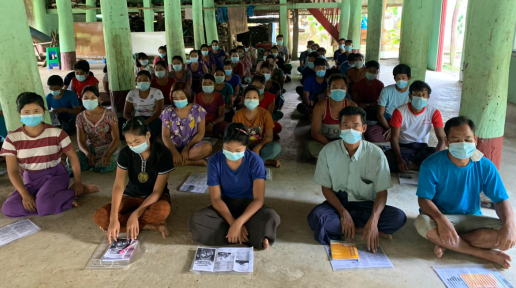
နေအိမ်များကို ပြန်လည်တည်ဆောက်ခြင်း၊ လူမှုအသိုက်အဝန်းများကို ပိုမိုခိုင်မာအားကောင်းစေခြင်းပြန်လည်ထူထောင်ရေးဆိုသည်မှာ အိမ်တစ်လုံးချင်းစီကိုသာ တည်ဆောက်ပေးရုံမျှဖြင့် ဖြစ်ပေါ်လာနိုင်သည် မဟုတ်ပါ။ မိသားစုတစ်စုအနေဖြင့် ပိုမိုဘေးကင်းလုံခြုံသော နေအိမ်သို့ ပြန်လည်နေထိုင်နိုင်သော်လည်း၊ ၎င်းတို့၏ နေ့စဉ်လူမှုဘဝသည် ဈေးများနှင့် အများပြည်သူဝန်ဆောင်မှုများဆီသို့ ဆက်သွယ်ပေးသည့် လမ်းများ၊ ရပ်ရွာလူထုထံသို့ ဖြန့်ဝေပေးသည့် ရေပေးဝေရေးကွန်ရက်များနှင့် သားသမီးများအတွက် ဒေသတွင်း စာသင်ကျောင်းများအပေါ်တွင်လည်း များစွာမူတည်နေပါသည်။ထို့ကြောင့် အိမ်ရာပြန်လည်တည်ဆောက်ရေးဆိုင်ရာ ကူညီပံ့ပိုးမှုသည် ပိုမိုကျယ်ပြန့်သော ပြန်လည်ထူထောင်ရေး ကြိုးပမ်းအားထုတ်မှု၏ အစိတ်အပိုင်းတစ်ခု ဖြစ်လာရခြင်း ဖြစ်ပါသည်။ ၂၀၂၅ ခုနှစ် ငလျင်ဒဏ်သင့်ဒေသများတွင် UNDP အနေဖြင့် ပျက်စီးသွားသော အဆောက်အအုံများကို ဘေးကင်းလုံခြုံစွာ ဖြိုဖျက်ပေးခဲ့ပြီး အပျက်အစီး မက်ထရစ်တန်ချိန် ၁၂၈,၀၀၀ ကျော်ကို ရှင်းလင်းဖယ်ရှားပေးခဲ့ပါသည်။ ထို့အပြင် ရေပေးဝေရေးစနစ်များ၊ ရေနုတ်မြောင်းကွန်ရက်များ၊ တံတားများ၊ စိုက်ပျိုးရေးနှင့် ဆည်မြောင်းဆိုင်ရာ အဆောက်အအုံများကို ပြုပြင်ခြင်း သို့မဟုတ် အသစ်တည်ဆောက်ခြင်း အပါအဝင် ရပ်ရွာအခြေခံအဆောက်အအုံ စီမံကိန်းပေါင်း ၁၆၀ နီးပါးကိုလည်း ကူညီပံ့ပိုးပေးခဲ့ပါသည်။ ဤကြိုးပမ်းအားထုတ်မှုများသည် ငလျင်ဒဏ်သင့်ဒေသများရှိ ပြည်သူ ၁ ဒသမ ၆ သန်းကျော်အတွက် မရှိမဖြစ်လိုအပ်သော အခြေခံအဆောက်အအုံများနှင့် ဝန်ဆောင်မှုများကို ပြန်လည်လက်လှမ်းမီ ရရှိစေခဲ့ပါသည်။ပြန်လည်ထူထောင်ရေးဆိုင်ရာ ကြိုးပမ်းအားထုတ်မှုများသည် လက်ငင်းဝင်ငွေရရှိစေရန်လည်း ဖန်တီးပေးနိုင်ခဲ့ပါသည်။ အပျက်အစီးများ ရှင်းလင်းခြင်းနှင့် အခြေခံအဆောက်အအုံ ပြန်လည်ပြုပြင်ခြင်းဆိုင်ရာ အလုပ်ဖြင့်ငွေကြေးထောက်ပံ့သည့် အစီအစဉ်များ (Cash-for-work) သည် အမျိုးသမီး ၄,၄၀၀ ကျော်နှင့် လူငယ် ၈၀၀ နီးပါး အပါအဝင် လူဦးရေ ၁၀,၀၀၀ နီးပါးထံသို့ ကာလတိုလုပ်ခလစာများကို ပံ့ပိုးပေးနိုင်ခဲ့ပါသည်။ဤကဲ့သို့ ကူညီဆောင်ရွက်မှုများသည် တစ်အိမ်ထောင်ချင်းစီ၏ လုံခြုံဘေးကင်းမှုနှင့် ရပ်ရွာလူထုတစ်ခုလုံး အတူတကွ ပြန်လည်ထူထောင်လာနိုင်စေမည့် ပိုမိုကျယ်ပြန့်သော အခြေအနေများကို အပြန်အလှန် ချိတ်ဆက်ပေးခြင်း ဖြစ်ပါသည်။ ကြံ့ကြံ့ခံရင်ဆိုင်နိုင်စွမ်းဆိုတာ ပြည်သူတွေဆီကနေ စတင်တာဖြစ်ပါတယ်။ကြံ့ကြံ့ခံရင်ဆိုင်နိုင်စွမ်းရှိသော နေအိမ်တစ်လုံး ဖြစ်လာစေရန် ထိုအိမ်၏ နံရံများအတွင်း နေထိုင်ကြသည့် ပြည်သူများကပင် ပုံဖော်ဖန်တီးကြခြင်း ဖြစ်ပါသည်။ ဒေသတွင်း ကြုံတွေ့ရနိုင်သည့် ဘေးအန္တရာယ်များအပေါ် ၎င်းတို့၏ သိရှိနားလည်မှု၊ မည်သို့မည်ပုံ ပြုပြင်တည်ဆောက်မည်ဟူသော ဆုံးဖြတ်ချက်များနှင့် သတင်းအချက်အလက်နှင့် အရင်းအမြစ်များကို လက်လှမ်းမီရယူနိုင်စွမ်းတို့သည် ရေရှည်တွင် လူမှုအသိုက်အဝန်းကို ဆက်လက်ရှင်သန် အားကောင်းစေသည့် အရာများပင် ဖြစ်ပါသည်။မြန်မာနိုင်ငံတွင် မိသားစုများသည် ၎င်းတို့၏နေအိမ်များကို တက်ကြွစွာ ပြန်လည်တည်ဆောက်လျက်ရှိကြပြီး ငလျင်ကြောင့် ထိခိုက်ပျက်ပြားသွားသော ၎င်းတို့၏ ပတ်ဝန်းကျင်နေရာများကို ပြန်လည်ရယူ စုစည်းလျက်ရှိကြသည်။ ပံ့ပိုးကူညီမှုများက ဤကဲ့သို့ ကူးပြောင်းနိုင်ရန်လိုအပ်သော ဆောက်လုပ်ရေးပစ္စည်းများကို ပေးအပ်နိုင်သော်လည်း၊ ပြန်လည်တည်ဆောက်ရေး၏ ခက်ခဲပင်ပန်းသော လုပ်ငန်းစဉ်ကြီးတစ်ခုလုံးသည် ဒေသခံလူထုကိုယ်တိုင်၏ ကြိုးပမ်းအားထုတ်မှုသာ ဖြစ်ပါသည်။ဘေးကင်းလုံခြုံစွာ နေထိုင်စရာနေရာတစ်ခုနှင့် ၎င်းကိုအခြေပြု၍ ဘဝများကို ပြန်လည်ထူထောင်နိုင်မည့် နည်းလမ်းများ ရှိခြင်းသည် ကြံ့ကြံ့ခံရင်ဆိုင်နိုင်စွမ်း၏ အုတ်မြစ်ပင် ဖြစ်ပါသည်။ နေအိမ်များ ရုပ်ပိုင်းဆိုင်ရာ ခိုင်ခံ့မှုရှိပြီး မရှိမဖြစ်လိုအပ်သော အများပြည်သူဆိုင်ရာ ဝန်ဆောင်မှုများကို ပြန်လည်ကောင်းမွန်အောင် ဆောင်ရွက်ပေးနိုင်ပါက၊ မိသားစုများအနေဖြင့် နောင်တွင် ကြုံတွေ့လာရမည့် သဘာဝပတ်ဝန်းကျင်ဆိုင်ရာ ဘေးအန္တရာယ်များကို ရင်ဆိုင်နိုင်ရန် ပိုမိုခိုင်မာသော အခြေခံအုတ်မြစ်များကို ရရှိစေမည်ဖြစ်ပါသည်။ကြံ့ကြံ့ခံရင်ဆိုင်နိုင်စွမ်းကို တည်ဆောက်ရန် အချိန်ယူရပါသည်။ သို့သော် လုံခြုံသော နေအိမ်တစ်လုံးသည် ထိုအင်အားများ စတင်ရာ နေရာတစ်ခုကို ဖန်တီးပေးပါသည်။ *ဤဆောင်းပါးကို UNDP Myanmar website တွင် ၁၃ ရက် အောက်တိုဘာလ ၂၀၂၆ ခုနှစ်က မူရင်းထုတ်ဝေထားပါသည်။
နေအိမ်များကို ပြန်လည်တည်ဆောက်ခြင်း၊ လူမှုအသိုက်အဝန်းများကို ပိုမိုခိုင်မာအားကောင်းစေခြင်းပြန်လည်ထူထောင်ရေးဆိုသည်မှာ အိမ်တစ်လုံးချင်းစီကိုသာ တည်ဆောက်ပေးရုံမျှဖြင့် ဖြစ်ပေါ်လာနိုင်သည် မဟုတ်ပါ။ မိသားစုတစ်စုအနေဖြင့် ပိုမိုဘေးကင်းလုံခြုံသော နေအိမ်သို့ ပြန်လည်နေထိုင်နိုင်သော်လည်း၊ ၎င်းတို့၏ နေ့စဉ်လူမှုဘဝသည် ဈေးများနှင့် အများပြည်သူဝန်ဆောင်မှုများဆီသို့ ဆက်သွယ်ပေးသည့် လမ်းများ၊ ရပ်ရွာလူထုထံသို့ ဖြန့်ဝေပေးသည့် ရေပေးဝေရေးကွန်ရက်များနှင့် သားသမီးများအတွက် ဒေသတွင်း စာသင်ကျောင်းများအပေါ်တွင်လည်း များစွာမူတည်နေပါသည်။ထို့ကြောင့် အိမ်ရာပြန်လည်တည်ဆောက်ရေးဆိုင်ရာ ကူညီပံ့ပိုးမှုသည် ပိုမိုကျယ်ပြန့်သော ပြန်လည်ထူထောင်ရေး ကြိုးပမ်းအားထုတ်မှု၏ အစိတ်အပိုင်းတစ်ခု ဖြစ်လာရခြင်း ဖြစ်ပါသည်။ ၂၀၂၅ ခုနှစ် ငလျင်ဒဏ်သင့်ဒေသများတွင် UNDP အနေဖြင့် ပျက်စီးသွားသော အဆောက်အအုံများကို ဘေးကင်းလုံခြုံစွာ ဖြိုဖျက်ပေးခဲ့ပြီး အပျက်အစီး မက်ထရစ်တန်ချိန် ၁၂၈,၀၀၀ ကျော်ကို ရှင်းလင်းဖယ်ရှားပေးခဲ့ပါသည်။ ထို့အပြင် ရေပေးဝေရေးစနစ်များ၊ ရေနုတ်မြောင်းကွန်ရက်များ၊ တံတားများ၊ စိုက်ပျိုးရေးနှင့် ဆည်မြောင်းဆိုင်ရာ အဆောက်အအုံများကို ပြုပြင်ခြင်း သို့မဟုတ် အသစ်တည်ဆောက်ခြင်း အပါအဝင် ရပ်ရွာအခြေခံအဆောက်အအုံ စီမံကိန်းပေါင်း ၁၆၀ နီးပါးကိုလည်း ကူညီပံ့ပိုးပေးခဲ့ပါသည်။ ဤကြိုးပမ်းအားထုတ်မှုများသည် ငလျင်ဒဏ်သင့်ဒေသများရှိ ပြည်သူ ၁ ဒသမ ၆ သန်းကျော်အတွက် မရှိမဖြစ်လိုအပ်သော အခြေခံအဆောက်အအုံများနှင့် ဝန်ဆောင်မှုများကို ပြန်လည်လက်လှမ်းမီ ရရှိစေခဲ့ပါသည်။ပြန်လည်ထူထောင်ရေးဆိုင်ရာ ကြိုးပမ်းအားထုတ်မှုများသည် လက်ငင်းဝင်ငွေရရှိစေရန်လည်း ဖန်တီးပေးနိုင်ခဲ့ပါသည်။ အပျက်အစီးများ ရှင်းလင်းခြင်းနှင့် အခြေခံအဆောက်အအုံ ပြန်လည်ပြုပြင်ခြင်းဆိုင်ရာ အလုပ်ဖြင့်ငွေကြေးထောက်ပံ့သည့် အစီအစဉ်များ (Cash-for-work) သည် အမျိုးသမီး ၄,၄၀၀ ကျော်နှင့် လူငယ် ၈၀၀ နီးပါး အပါအဝင် လူဦးရေ ၁၀,၀၀၀ နီးပါးထံသို့ ကာလတိုလုပ်ခလစာများကို ပံ့ပိုးပေးနိုင်ခဲ့ပါသည်။ဤကဲ့သို့ ကူညီဆောင်ရွက်မှုများသည် တစ်အိမ်ထောင်ချင်းစီ၏ လုံခြုံဘေးကင်းမှုနှင့် ရပ်ရွာလူထုတစ်ခုလုံး အတူတကွ ပြန်လည်ထူထောင်လာနိုင်စေမည့် ပိုမိုကျယ်ပြန့်သော အခြေအနေများကို အပြန်အလှန် ချိတ်ဆက်ပေးခြင်း ဖြစ်ပါသည်။ ကြံ့ကြံ့ခံရင်ဆိုင်နိုင်စွမ်းဆိုတာ ပြည်သူတွေဆီကနေ စတင်တာဖြစ်ပါတယ်။ကြံ့ကြံ့ခံရင်ဆိုင်နိုင်စွမ်းရှိသော နေအိမ်တစ်လုံး ဖြစ်လာစေရန် ထိုအိမ်၏ နံရံများအတွင်း နေထိုင်ကြသည့် ပြည်သူများကပင် ပုံဖော်ဖန်တီးကြခြင်း ဖြစ်ပါသည်။ ဒေသတွင်း ကြုံတွေ့ရနိုင်သည့် ဘေးအန္တရာယ်များအပေါ် ၎င်းတို့၏ သိရှိနားလည်မှု၊ မည်သို့မည်ပုံ ပြုပြင်တည်ဆောက်မည်ဟူသော ဆုံးဖြတ်ချက်များနှင့် သတင်းအချက်အလက်နှင့် အရင်းအမြစ်များကို လက်လှမ်းမီရယူနိုင်စွမ်းတို့သည် ရေရှည်တွင် လူမှုအသိုက်အဝန်းကို ဆက်လက်ရှင်သန် အားကောင်းစေသည့် အရာများပင် ဖြစ်ပါသည်။မြန်မာနိုင်ငံတွင် မိသားစုများသည် ၎င်းတို့၏နေအိမ်များကို တက်ကြွစွာ ပြန်လည်တည်ဆောက်လျက်ရှိကြပြီး ငလျင်ကြောင့် ထိခိုက်ပျက်ပြားသွားသော ၎င်းတို့၏ ပတ်ဝန်းကျင်နေရာများကို ပြန်လည်ရယူ စုစည်းလျက်ရှိကြသည်။ ပံ့ပိုးကူညီမှုများက ဤကဲ့သို့ ကူးပြောင်းနိုင်ရန်လိုအပ်သော ဆောက်လုပ်ရေးပစ္စည်းများကို ပေးအပ်နိုင်သော်လည်း၊ ပြန်လည်တည်ဆောက်ရေး၏ ခက်ခဲပင်ပန်းသော လုပ်ငန်းစဉ်ကြီးတစ်ခုလုံးသည် ဒေသခံလူထုကိုယ်တိုင်၏ ကြိုးပမ်းအားထုတ်မှုသာ ဖြစ်ပါသည်။ဘေးကင်းလုံခြုံစွာ နေထိုင်စရာနေရာတစ်ခုနှင့် ၎င်းကိုအခြေပြု၍ ဘဝများကို ပြန်လည်ထူထောင်နိုင်မည့် နည်းလမ်းများ ရှိခြင်းသည် ကြံ့ကြံ့ခံရင်ဆိုင်နိုင်စွမ်း၏ အုတ်မြစ်ပင် ဖြစ်ပါသည်။ နေအိမ်များ ရုပ်ပိုင်းဆိုင်ရာ ခိုင်ခံ့မှုရှိပြီး မရှိမဖြစ်လိုအပ်သော အများပြည်သူဆိုင်ရာ ဝန်ဆောင်မှုများကို ပြန်လည်ကောင်းမွန်အောင် ဆောင်ရွက်ပေးနိုင်ပါက၊ မိသားစုများအနေဖြင့် နောင်တွင် ကြုံတွေ့လာရမည့် သဘာဝပတ်ဝန်းကျင်ဆိုင်ရာ ဘေးအန္တရာယ်များကို ရင်ဆိုင်နိုင်ရန် ပိုမိုခိုင်မာသော အခြေခံအုတ်မြစ်များကို ရရှိစေမည်ဖြစ်ပါသည်။ကြံ့ကြံ့ခံရင်ဆိုင်နိုင်စွမ်းကို တည်ဆောက်ရန် အချိန်ယူရပါသည်။ သို့သော် လုံခြုံသော နေအိမ်တစ်လုံးသည် ထိုအင်အားများ စတင်ရာ နေရာတစ်ခုကို ဖန်တီးပေးပါသည်။ *ဤဆောင်းပါးကို UNDP Myanmar website တွင် ၁၃ ရက် အောက်တိုဘာလ ၂၀၂၆ ခုနှစ်က မူရင်းထုတ်ဝေထားပါသည်။