Safe spaces to heal and regain courage to continue
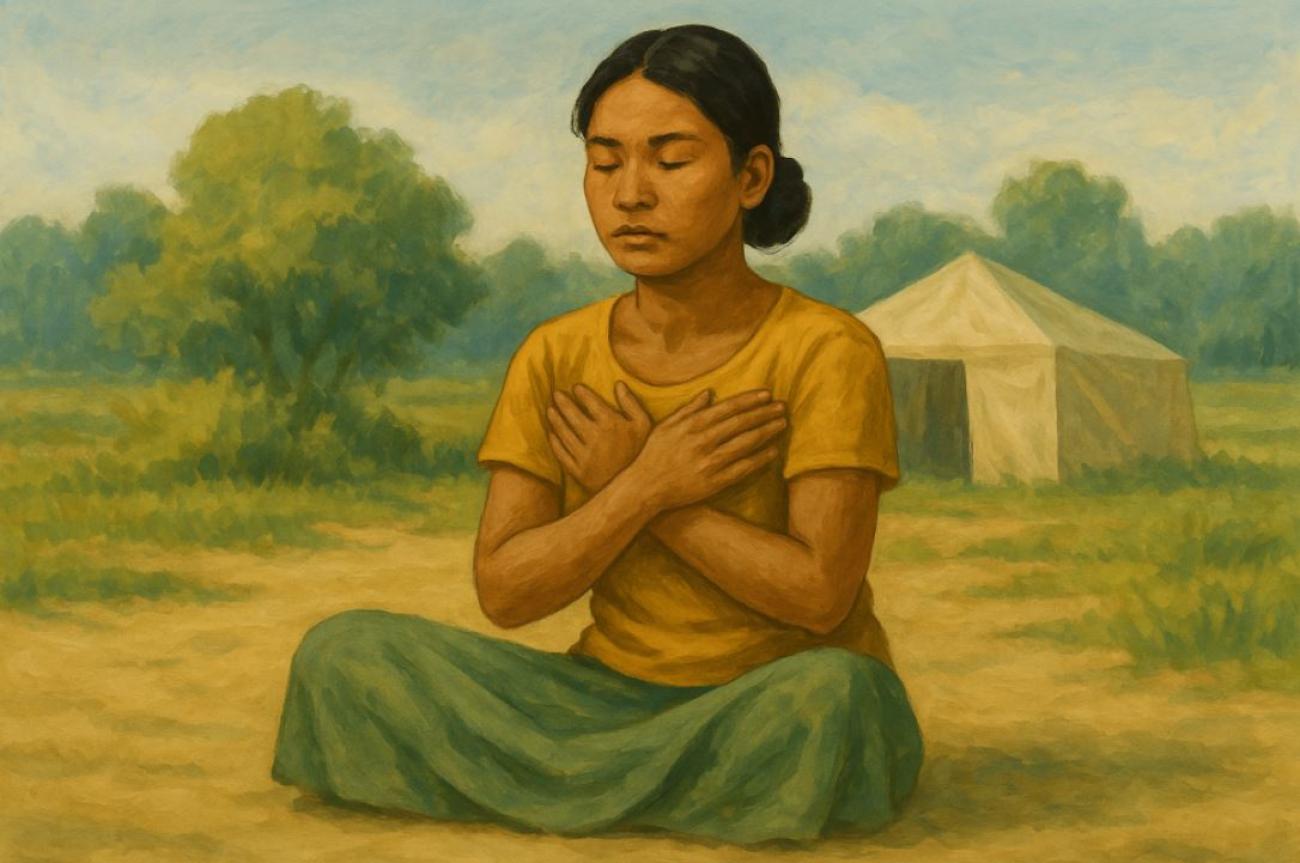
The 7.7 magnitude earthquake that struck central Myanmar on 28 March 2025 shattered more than buildings. The physical devastation came with an equally heavy psychosocial toll, where loss of homes and loved ones left survivors with heightened anxiety, sleeplessness, and emotional distress.
For 26-year-old Ma Aye, the memories of the earthquake remain sharp. She was alone in her home when the tremors began, separated from her family. She ran outside onto the street of her neighborhood, met by chaos, fear, and destruction.
The silence that followed was harder than the shaking. “I felt trapped in my memories,” she said. “Every sound brought it back.”
In the weeks that followed, invisible wounds lingered. That was when Ma Aye joined IOM’s mental health and psychosocial support group wellbeing session. There, she learned grounding exercises and emotional regulation and found comfort in hearing others share their stories. “Listening to them made me feel less alone,” she said. “It gave me courage to keep supporting my family.”
As part of its earthquake response, IOM provided mental health and psychosocial support. In group wellbeing sessions survivors going through similar experiences are able to share experiences, learn coping skills, and regain a sense of stability.
Ma Aye’s experience reflects a much wider need. Since the earthquake, IOM has reached more than 13,000 people with community-based mental health and psychosocial support.
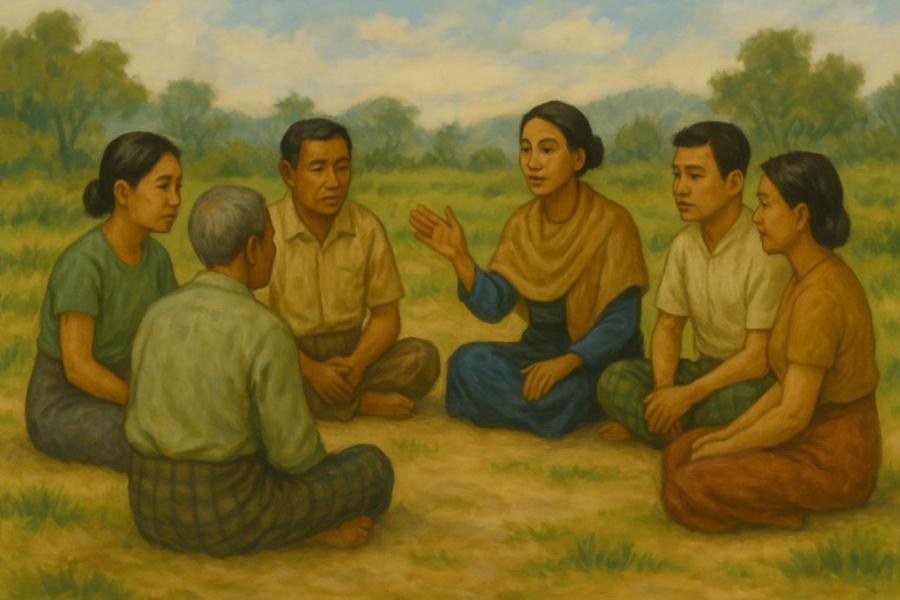
Still, challenges remain. The demand for psychosocial support far exceeds what current resources allow. Communities continue to express the need for safe spaces where they can gather, talk, and help each other through challenging times. More trained personnel and stronger local counselling capacities are essential to ensure this support is not just temporary, but part of recovery and preparedness efforts.
For Ma Aye, the sessions helped restore calm. “By participating in this group wellbeing session, I could heal myself a lot,” she said. “If I had known about coping mechanisms earlier, I would have been better prepared.”
Stories like Ma Aye’s remind us that with the right tools and support, even in the darkest of times, recovery is possible and hope can return.
**The name has been changed to protect their identity.
*This story was originally published on the IOM Myanmar website.


ဤလုပ်ငန်းတွင်အဓိကပါဝင်နေသည့် ကုလသမဂ္ဂရုံးများ
လုပ်ငန်းရပ်များဖြင့်ပံ့ပိုးပေးနေသော ပန်းတိုင်များ