The Devastating Toll of Conflict on Children in Myanmar
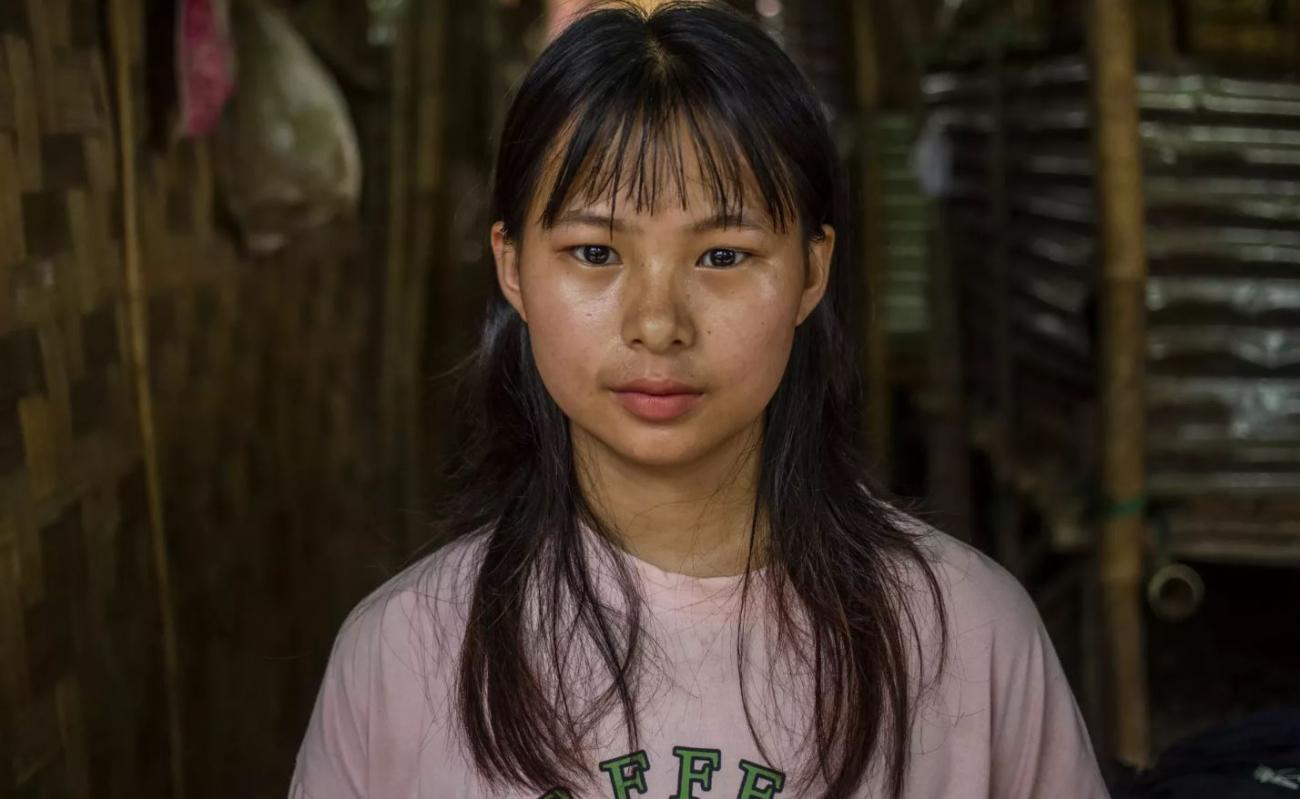
“I want peace to return swiftly so I can go back to my home,” - 16-year-old Kyang Sau.
The escalating conflict in Myanmar has plunged the country into a deep humanitarian crisis, with the lives and futures of millions of children hanging in the balance. Children are increasingly caught in the crossfire of a conflict not of their making. Many are losing their lives, being injured, or forced from their homes, facing serious risks to their safety and well-being. For them, childhood has been replaced with fear and uncertainty.
"Living in Myanmar like this feels incredibly strange. I want peace to return swiftly so I can go back to my home," says 16-year-old Kyang Sau1, from northern Myanmar, her voice heavy with a maturity that belies her age.
For the past five months, a single, cramped room in a displacement camp in Kachin State has been home for her and her family of seven.
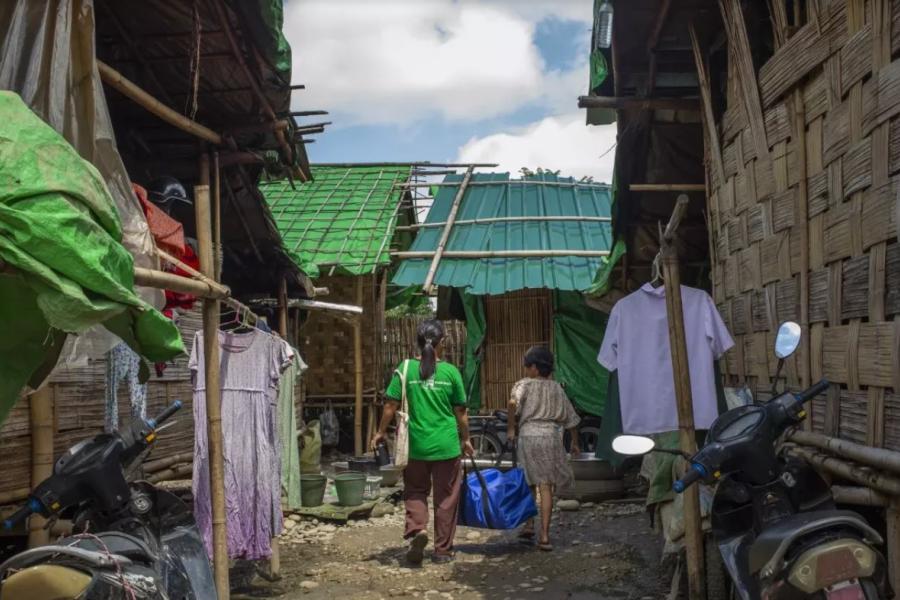
Life wasn't always this way. But in September 2024, everything changed. Deadly violence shattered the calm of her community and the life she knew. A childhood friend, just 15, was killed by shrapnel from an explosive that landed in front of her house.
The memory is still raw. "Of course, I was terrified. 'Has this become the fate of our generation?' I wondered," she recalls. "I was still a student, and my friend was already gone. There was no escape... The thought, 'Am I next to die?' was on my mind constantly".
In the chaos that followed, her family was separated as they fled their home. After months of uncertainty and moving between places, they ended up in the displacement camp when they could no longer afford to rent a house.
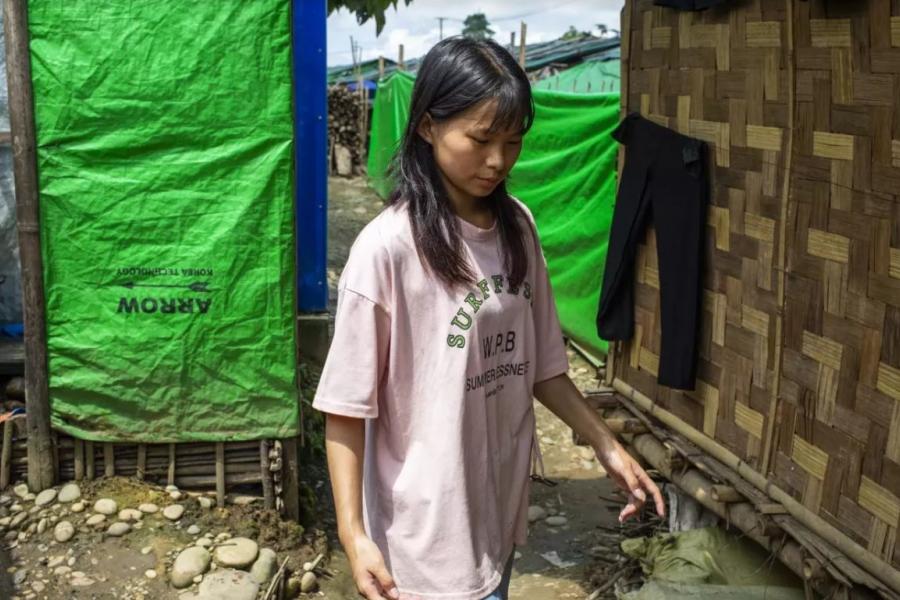
Life in the camp is a constant struggle for dignity and privacy, a critical protection concern for an adolescent girl. Going to the toilet areas, especially at night, is a source of fear for her. The facilities are unsegregated and often unsanitary, offering little sense of safety or dignity. For a time, there was not even a private place to bathe, until her father built a small makeshift enclosure so she could shower with some measure of privacy.

Managing her menstrual hygiene is another significant challenge. With no money and no designated place for disposal, she often had to borrow sanitary products from friends. These daily indignities and the trauma she endured have taken a toll. "Sometimes I don’t even want to go to school anymore," she confesses, fearing she is falling behind classmates.

In the midst of this hardship, a UNICEF-supported child-friendly space in the camp offers a vital respite. Here, Kyang Sau can play badminton and participate in recreational activities with other children. "It’s a moment of happiness, even for a little while," she says with a hint of a smile. These moments provide crucial psychosocial support, helping her and other children cope with their stressful environment.

Recently, Kyang Sau received a UNICEF child protection kit containing essential supplies. The kit included a comb, soap, underwear, clothing, sanitary pads and other useful items. When asked what her favourite item was, her answer was immediate: "The sanitary pads". This simple item restores a measure of dignity and relieves a significant source of daily stress for her.
This vital support, which provides not only essential items but also safe spaces and psychosocial support for children across the region, is made possible through the generous contributions from partners. For girls like Kyang Sau, it is a lifeline that allows them to focus on what matters most: their education, their healing, and their dreams.

Despite the immense challenges, Kyang Sau's spirit is not broken. She dreams of becoming a football player, passionately supporting Manchester United and her favourite player, Cristiano Ronaldo. It is a reminder that she is still a teenager with hopes for the future. But her most profound wish is for an end to the conflict that has upended her world.
“I don’t want to remain here any longer,” she says, her voice filled with a powerful longing for the simple peace of being home. “I want to sleep without fear, go back to school, play with my friends, and help my mother in our kitchen again. I want to be safe — just to be a child.”
This story was originally published on the UNICEF Myanmar website.
[1] Names and locations in this story are changed to protect the identity of the individuals involved.


Written by

Saw Wai Moe
UN entities involved in this initiative
Goals we are supporting through this initiative