The Doctor Who Walks With His Community: Serving Displaced Communities in Kachin State
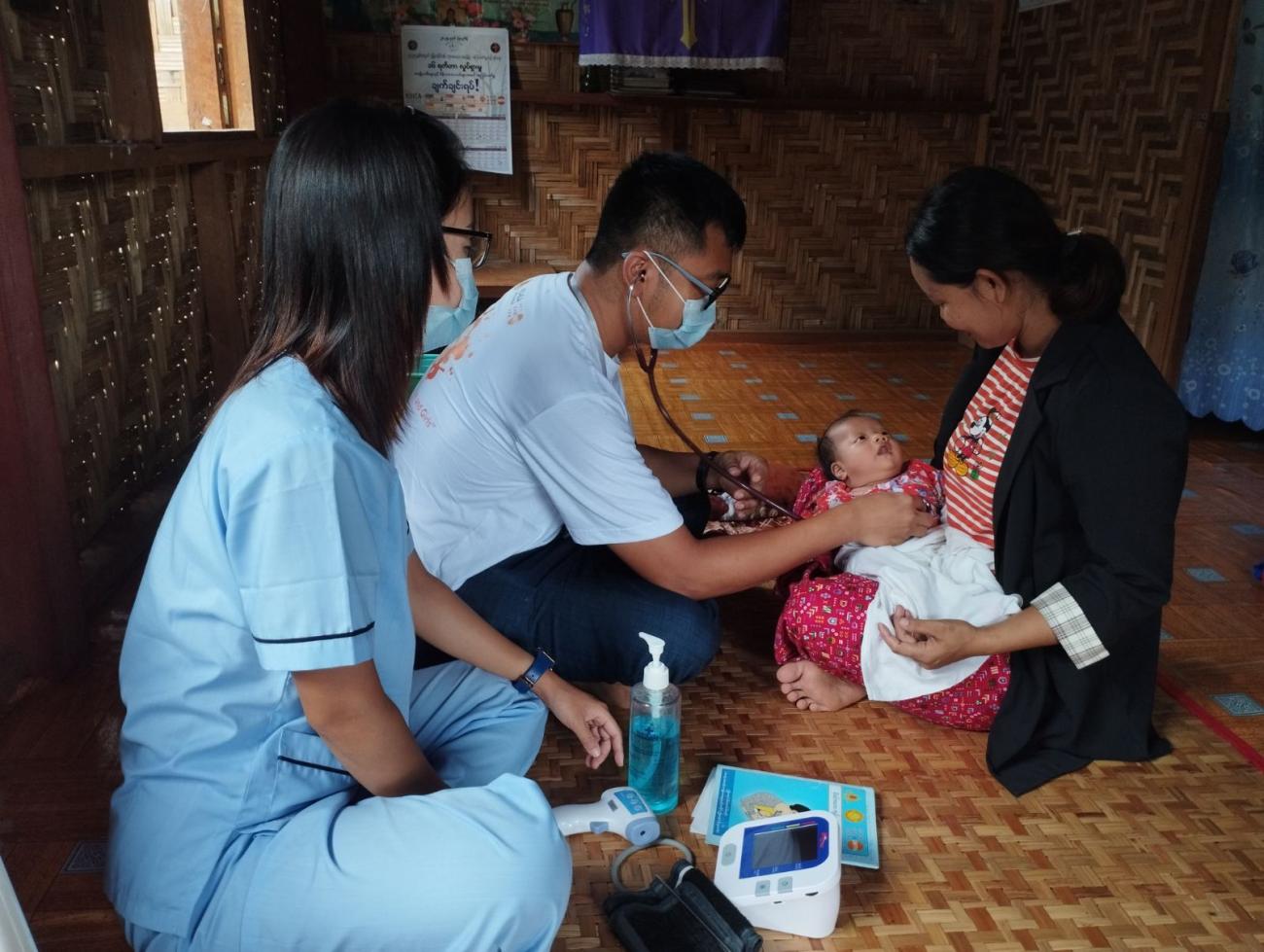
Dr. Mung, a local leader originally from Myitkyina, is intimately familiar with the difficult operational context in Kachin State. As a Mobile Medical Team Leader with the Myanmar Medical Association (MMA) since 2019, he works across challenging environments - especially the IDP camps and solution sites. In situations where families are displaced and face obstacles such as low literacy rates and restricted access to vital information, there can be dangerous delays in receiving life-saving care.
He states simple, deep motivation:
“I want to serve the community I live in. This is my roots.”
Working on the frontline, Dr. Mung observes the daily crises that impact families, especially women and adolescent girls: early marriage, early pregnancy, and limited knowledge of sexual and reproductive health are common issues among girls aged 14 to 17. Many become young mothers without access to accurate information about safe sex, contraception, or their reproductive rights.
He believes that prevention is always better than cure, but prevention requires knowledge, trust, and continuous access to services- all things many families still struggle with.

One moment in the field shows the depth of his commitment.
During a routine site visit, a two-month-old baby urgently needed medical care. The parents, unfamiliar with danger signs and unsure where to seek help, were frightened and confused. Dr. Mung had just returned from running a mobile clinic, but when notified, he responded immediately. He accompanied the family to the MMA satellite clinic, helped them communicate with health staff, and ensured the baby was referred to the hospital for emergency treatment.
For him, supporting families through the referral process is part of being a community doctor, especially in places where literacy barriers, displacement, and limited information can delay life-saving care.
His concerns extend beyond physical health. He has seen more young people affected by online relationships, digital harassment, and unsafe online behavior. Even with fluctuating internet access in Kachin, digital harm continues to shape the wellbeing of women and girls.
As part of the UNiTE to End Digital Violence Against All Women & Girls movement, he raises awareness among youth about respectful online behavior, digital safety, and the consequences of harmful actions in both online and offline.
Community members also speak of his small, quiet acts of kindness. When families cannot afford medicine even for conditions outside the project scope he often support as community contribution. When asked why, he says:
“If I cannot change the whole system, I can at least help the person in front of me. Sharing is caring.”
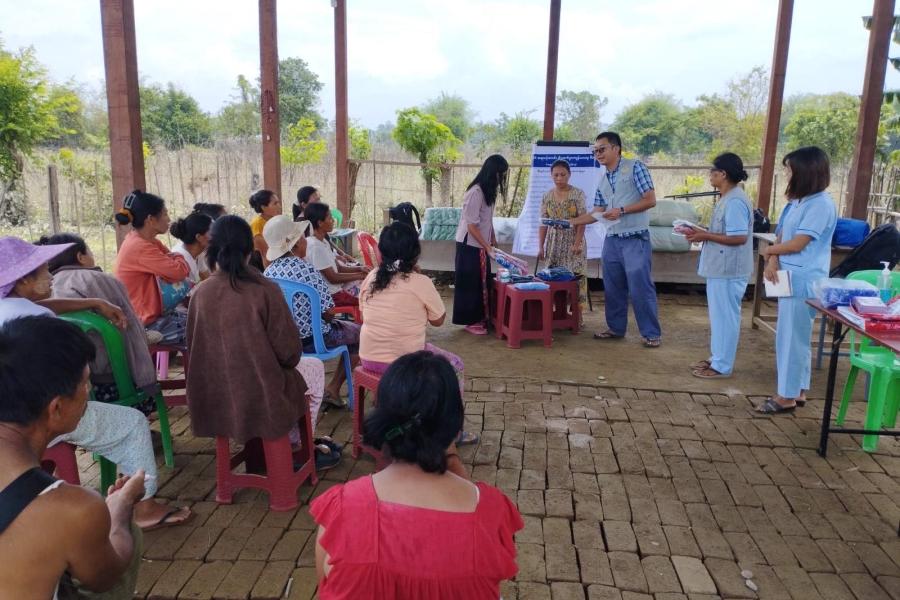
Through MMA’s mobile health outreach, he sees every day how essential sexual and reproductive health services are and how easily these services can disappear without continued support. Sustained funding for SRHR, safe referrals, and community-based services remains critical to ensure women and girls are not left behind.

His message for men, women, and young people is grounded in equality and dignity:
“Value boys and girls equally. All children are precious. Everyone deserves the same love, care, and rights.”
This is meaningful localization in practice, a local doctor who understands his community, sees the barriers they face, and responds with heart.
He reminds us that protecting women and girls is not only a programme responsibility, it is a shared human responsibility.
And that no matter the circumstances, no one should be left behind.
*This story was originally published on the UNFPA Myanmar website.


UN entities involved in this initiative
Goals we are supporting through this initiative